
7 Mistakes to Avoid When Planning a Long-Distance Move
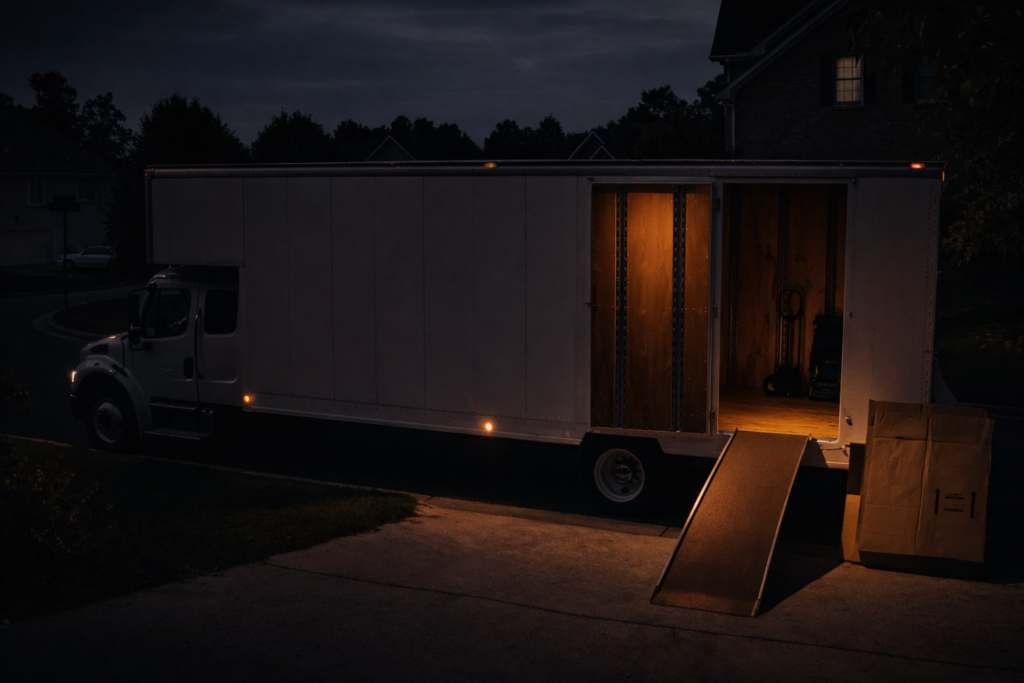
Long-distance moves are one of the most logistically demanding things a person or family can take on. Unlike a local move where a forgotten box can be retrieved in twenty minutes, an interstate relocation demands careful coordination across hundreds of miles, multiple timelines, and a long list of moving parts, literally and figuratively.
The stakes are high. Your furniture, your memories, your home, all of it loaded onto a truck heading somewhere new. And yet, many people walk into a long-distance move underprepared, trusting that things will work out on the day.
Sometimes they do. Often, they do not.
After years of handling interstate moves across the country, the team at Glitterz Logistics has seen the same preventable mistakes come up again and again. Not because people are careless, but because nobody tells them what to watch out for until it is too late.
This article changes that. Here are the seven most common long-distance moving mistakes, and exactly what you can do to avoid every single one
Mistake #1: Waiting Too Long to Book
This is the number-one mistake we see. People assume they can lock in a mover a week or two before their move date, and then discover that reputable companies are booked out four to six weeks, especially between May and August.
As a rule of thumb, always book your interstate mover at least four to six weeks in advance. If you are moving during peak season, aim for eight weeks or more.
Mistake #2: Choosing the Cheapest Quote Without Reading the Fine Print
A low estimate that jumps 40% by the time you get the final invoice is unfortunately common in the moving industry. Low-ball quotes often exclude stair fees, long carry charges, fuel surcharges, and packing materials.
Always ask for a binding estimate, a written guarantee that the price you see is the price you pay. Glitterz Logistics provides binding quotes on every interstate move.
Mistake #3: Not Taking Inventory Before You Pack
Moving without a detailed inventory list leaves you vulnerable. You have no baseline to check against if something goes missing, no clear record for insurance purposes, and no accurate data for your mover to base a quote on.
Before you pack a single box, walk through your home room by room and document everything. Photos, serial numbers for electronics, and estimated values for high-ticket items will protect you if you ever need to file a claim.
Mistake #4: Underestimating How Long Packing Takes
Most people pack the same way they clean; they think it will take two hours, and it takes two days. Packing a full household properly, with boxes properly weighed and fragile items adequately wrapped, is a serious undertaking.
Start packing non-essential items (off-season clothes, books, decor) at least two weeks before your move. Save the everyday essentials for last. Or better yet, ask Glitterz Logistics about our professional packing services.
Mistake #5: Ignoring Insurance and Liability Options
Standard released value protection, the default coverage included in most moves, covers your belongings at roughly $0.60 per pound. That means a 50-pound television that costs $800 to replace would be covered for just $30 if it were damaged.
For interstate moves, especially, consider full-value protection or a separate moving insurance policy. It is a small cost relative to the value of your belongings.
Mistake #6: Forgetting to Plan for Moving Day Logistics
Moving day surprises, such as a parking ban in front of your building, an elevator reservation that was never made, or a narrow hallway that does not fit the couch, are avoidable with a little advance planning.
- Confirm parking access for the moving truck at both addresses
- Reserve elevator time if you live in an apartment building
- Measure large furniture against doorways and stairwells
- Arrange for childcare or pet care on moving day
- Keep a bag of essentials (documents, chargers, a change of clothes) with you — not in the truck
Mistake #7: Not Communicating Clearly with Your Moving Company
Your mover can only prepare for what they know about. If you have a piano, a gun safe, artwork that needs custom crating, or items that require climate-controlled transport, tell them upfront. Surprises on moving day lead to delays, added charges, and sometimes damage.
At Glitterz Logistics, we conduct a thorough pre-move consultation to ensure we know exactly what we are moving and how to handle it. Clear communication is how we deliver moves that go exactly as planned.
Ready to move the right way? Contact Glitterz Logistics for a free, no-obligation quote today.